
Endless Moroccan points, a desert freak-wave in Namibia, Cape reefs and warm West African walls — Africa is surfing's great frontier.
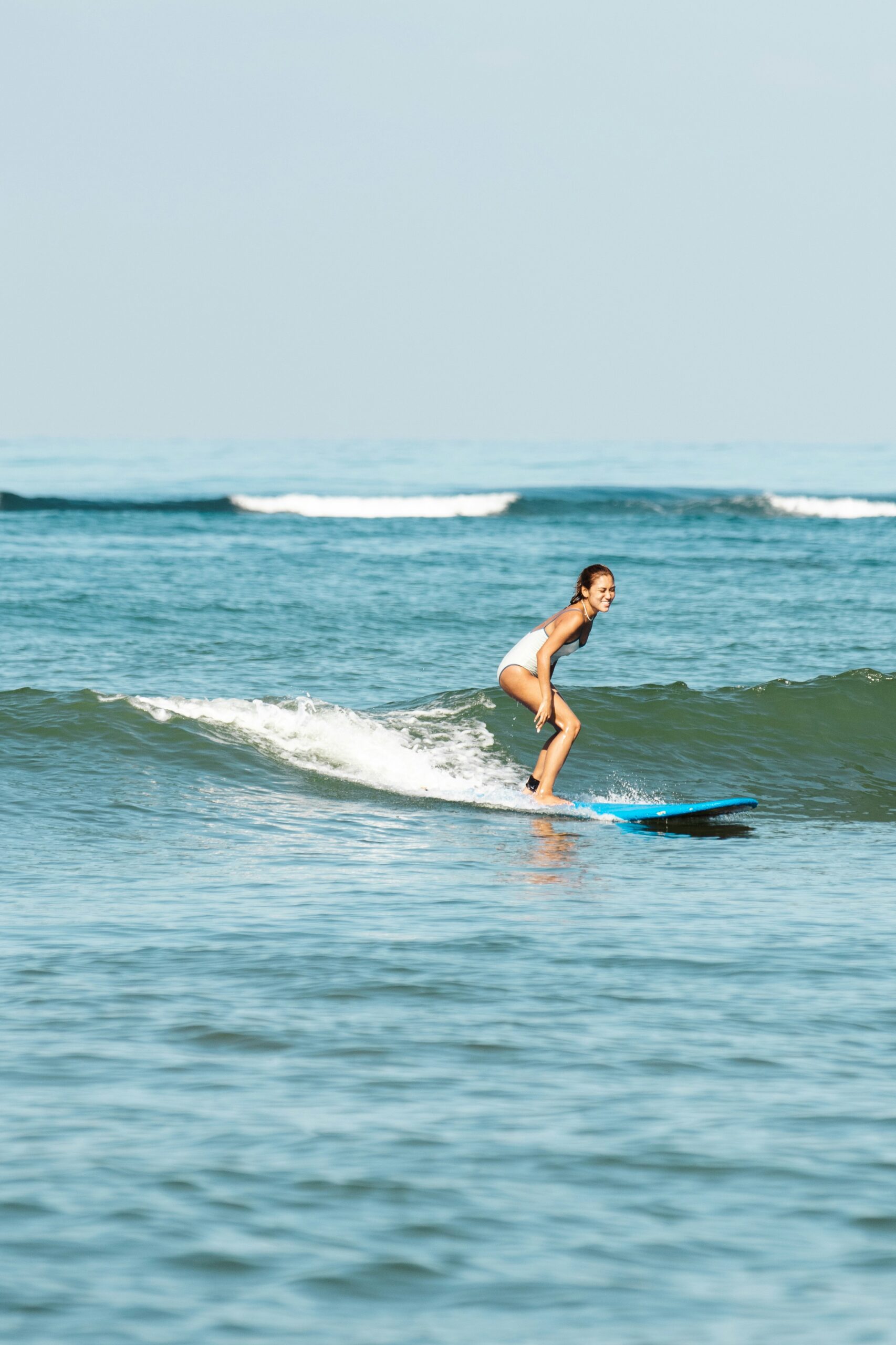
Small, soft and forgiving — exactly what a first wave should be.
Photo: David Aguilar / Unsplash
The best places to learn to surf combine gentle waves, sandy bottoms and experienced instructors who know how to help beginners progress safely. Great beginner surfing spots include Costa Rica (Tamarindo), Sri Lanka (Weligama), Bali (Canggu), Portugal (Peniche) in summer, Morocco (Taghazout), Fuerteventura in Spain, and the Landes coast of France. These destinations offer beginner-friendly beaches, surf schools and surf camps where you can learn with suitable equipment and guidance.
Where you learn matters as much as how often you practise. A powerful reef break can make learning unnecessarily difficult, while a gentle beach with the right coaching gives you a much better chance of progressing. The seven destinations below combine beginner-friendly waves with suitable accommodation and access to surf schools or camps. Each one links to the relevant surf houses and surf spots on Wave Safari, making it easier to plan your first surf holiday. If you're completely new to the sport, start with our guide to how to surf.
Warm water, a forgiving beach break and plenty of experienced instructors: Tamarindo is an excellent choice for first-time surfers. The town has numerous surf schools, rental shops and a welcoming surf community, so it's easy to find a lesson and the right equipment. As your skills improve, other breaks along the Costa Rican coast offer opportunities to progress.
Weligama is a wide, sheltered bay on Sri Lanka's south coast. It's known for its gentle waves and sandy bottom. Warm water, affordable accommodation and surf schools along the beach make it one of the best places to learn to surf in Asia. Its relaxed atmosphere is particularly appealing to beginners and solo travellers looking to meet other people learning the sport.
Canggu is a popular base for learning to surf in Bali. Batu Bolong and other more forgiving beach breaks can offer suitable conditions for beginners, particularly when the waves are small. Surf schools, board rentals and a lively social scene make it easy to combine lessons with time on the beach. As your skills improve, you can explore other surf spots around Bali, always choosing conditions that match your ability.
Peniche's peninsula has beaches facing different directions, increasing the chances of finding a suitable spot when wind and swell conditions change. During summer, Baleal's sandy beaches often offer smaller waves and forgiving conditions for beginners. It's one of Europe's most accessible destinations where to learn to surf.
Taghazout is a popular winter surf destination within easy reach of Europe. Alongside the region's famous point breaks, nearby beach breaks such as Crocodiles and Panorama can offer more manageable waves for beginners when conditions are suitable. It offers laid-back surf-town atmosphere, affordable surf camps and a wide range of places to eat: a practical choice for a first surf holiday.
The Canary Islands offer year-round surfing opportunities, with relatively mild water temperatures and consistent Atlantic swell during the right season. Fuerteventura has sandy beaches on its north and east coasts where beginners can find suitable waves, while more exposed breaks and reefs cater to experienced surfers when conditions allow.
The Landes region has long stretches of sandy coastline along southwestern France. During summer, some beach breaks offer smaller, slower waves that can be suitable for beginners, although conditions vary with the swell and tide. Surf camps and schools along the coast make it a good option for a first European surf holiday, especially for travellers who enjoy beach towns and outdoor activities.
| Destination | Water | Best season | Why beginners love it |
| Tamarindo, Costa Rica | Warm | Dec-Apr | Gentle beach break, huge school scene |
| Weligama, Sri Lanka | Warm | Nov-Apr | Soft, slow bay waves |
| Canggu, Bali | Warm | Year-round | Sandy, social, easy progression |
| Peniche, Portugal | Cool | Jun-Sep | Sheltered, consistent, big scene |
| Taghazout, Morocco | Mild | Oct-Mar | Warm winters, mellow beaches |
| Fuerteventura, Spain | Mild | Autumn-spring | Year-round warmth, sandy beaches |
| The Landes, France | Cool-mild | Jun-Sep | Endless summer beach breaks |
If you want a more structured introduction to surfing, consider booking a beginner surf camp. A good camp provides suitable equipment, professional instructors and daily surf tuition, while helping you choose waves that match your ability. Group lessons can also make it easier to meet other beginners and share the experience.
Three things matter most when choosing a beginner surf spot: a sandy bottom, small and forgiving waves, and access to a good surf school. Sandy beaches and rolling whitewater give beginners a more manageable environment in which to practise paddling, standing up and catching their first waves. Long, gently sloping beach breaks can also provide more room to learn, although conditions vary from day to day.
Warm water and a suitable wetsuit help you stay comfortable during longer sessions. Before booking, check the surf forecast, ask about instructor qualifications and find out whether boards and other equipment are included in the lesson. Avoid powerful reef breaks and crowded lineups until your skills and wave awareness have improved. Our guide to types of surf breaks explains how different seabeds affect wave behaviour.
Where is the easiest place in the world to learn to surf?
Weligama in Sri Lanka and Tamarindo in Costa Rica are excellent options for beginners, thanks to their sandy beaches, gentle waves and established surf-school scenes. Canggu in Bali and Peniche in Portugal during summer are also worth considering. The best choice depends on season, local surf conditions and type of instruction available.
How long does it take to learn to surf?
Many beginners manage to stand up and ride whitewater during their first few lessons, although progress varies with conditions, coaching and time in the water. Catching unbroken waves usually takes longer and requires practice with paddling, positioning and wave selection. Our how to surf guide explains the main stages of learning.
Is it better to learn to surf at a surf camp?
Yes, a surf camp can be a convenient option for beginners because it often combines accommodation, equipment rental and lessons in one package. Look for qualified instructors, small group sizes and a programme that adapts to daily surf conditions. Independent lessons at a local surf school can be just as suitable if you prefer to arrange your own accommodation.
What time of year is best to learn to surf?
The best time depends on the destination. Summer often brings smaller waves to parts of Europe, making places such as Peniche and the Landes more suitable for beginners. Sri Lanka's south coast is generally a good choice from November to April, while Tamarindo is popular during Costa Rica's dry season. Always check local forecasts before booking, as conditions can change.
Do I need to be fit to learn to surf?
You don't need to be an athlete, but being able to swim confidently and feeling comfortable in the ocean are essential. Surfing requires paddling, balance and repeated efforts to get back onto your board. Start with manageable conditions, take breaks when needed and follow your instructor's safety advice.
Ready to catch your first wave? Explore beginner-friendly surf spots, compare destinations and find surf houses near the beaches you want to learn on with Wave Safari.
Everyone was a beginner once. Pick a warm, gentle wave and go become a surfer.
Endless Moroccan points, a desert freak-wave in Namibia, Cape reefs and warm West African walls — Africa is surfing's great frontier.
Warm-water reefs, endless Indonesian barrels, gentle Sri Lankan bays and the Maldivian dream — Asia is a surf trip for every level.
Eight world-class surf destinations worth planning a whole surf trip around — for every level, every season and every type of surfer.
From Nazaré's giants to the Algarve's hidden coves — everything you need to plan your Portuguese surf trip.
From Portuguese barrels and Basque rivermouths to Irish slabs and Canary Island reefs — the waves that make Europe a surf continent in its own right.
Great waves don't have to cost a fortune. Seven destinations where your money buys more time in the water.
Barrel, offshore, goofy, set — decode the language of the lineup so you sound like you belong
From a vague urge to chase waves to a booked trip that actually delivers. Here's the order to do it in.
The right wetsuit keeps you in the water longer. Here's exactly what to wear, by degree.
The ocean has rules nobody prints on a sign. Learn them and you'll be welcome anywhere.